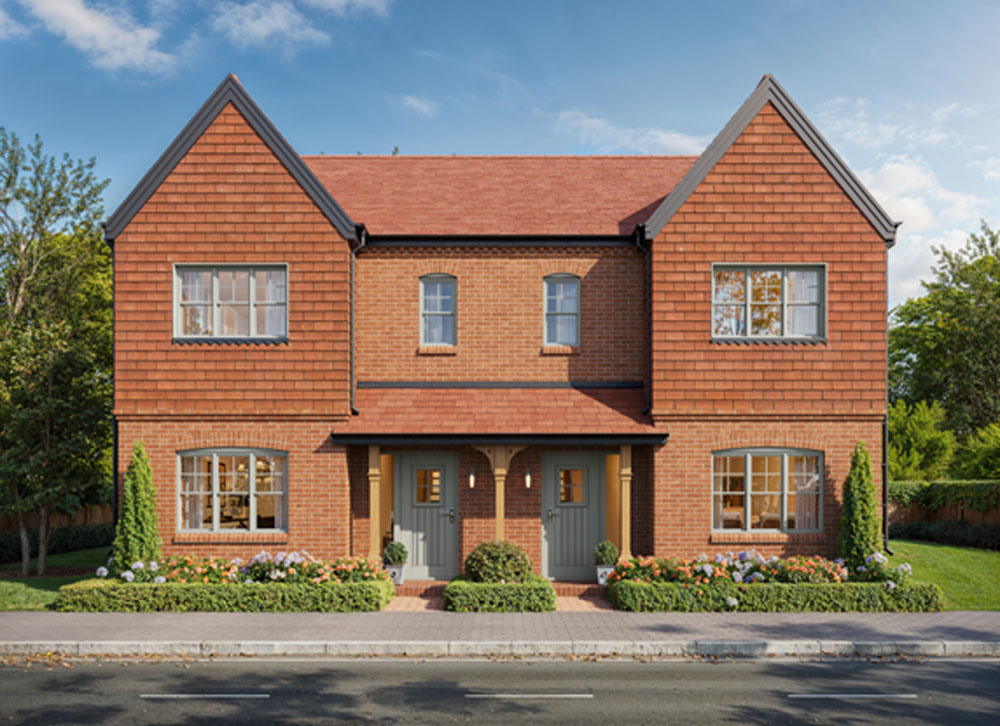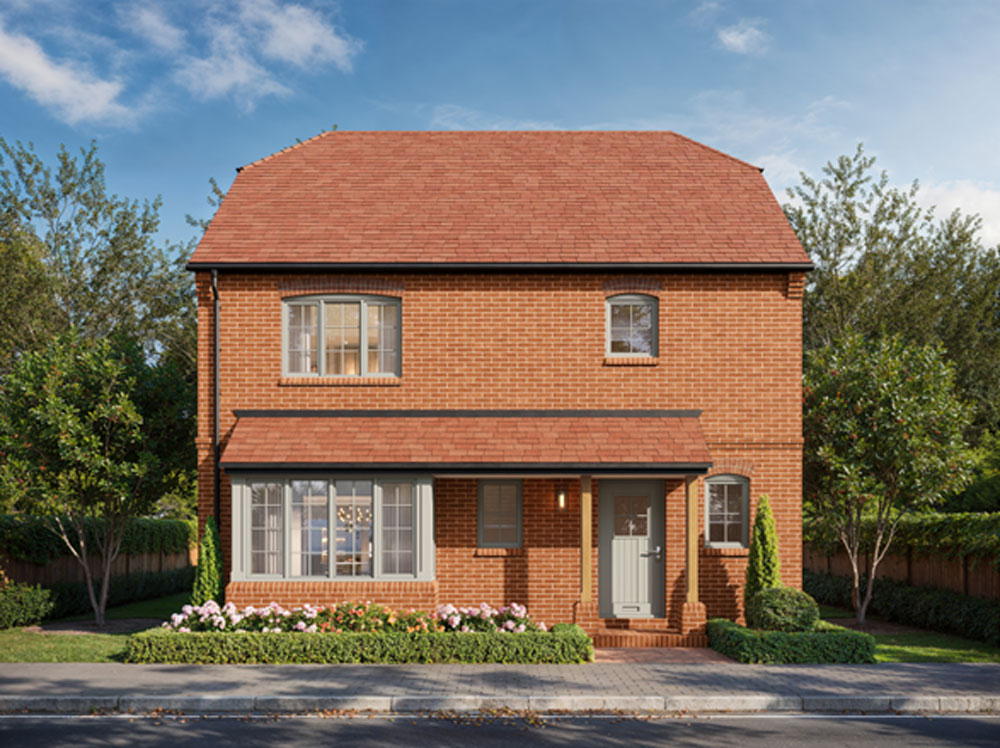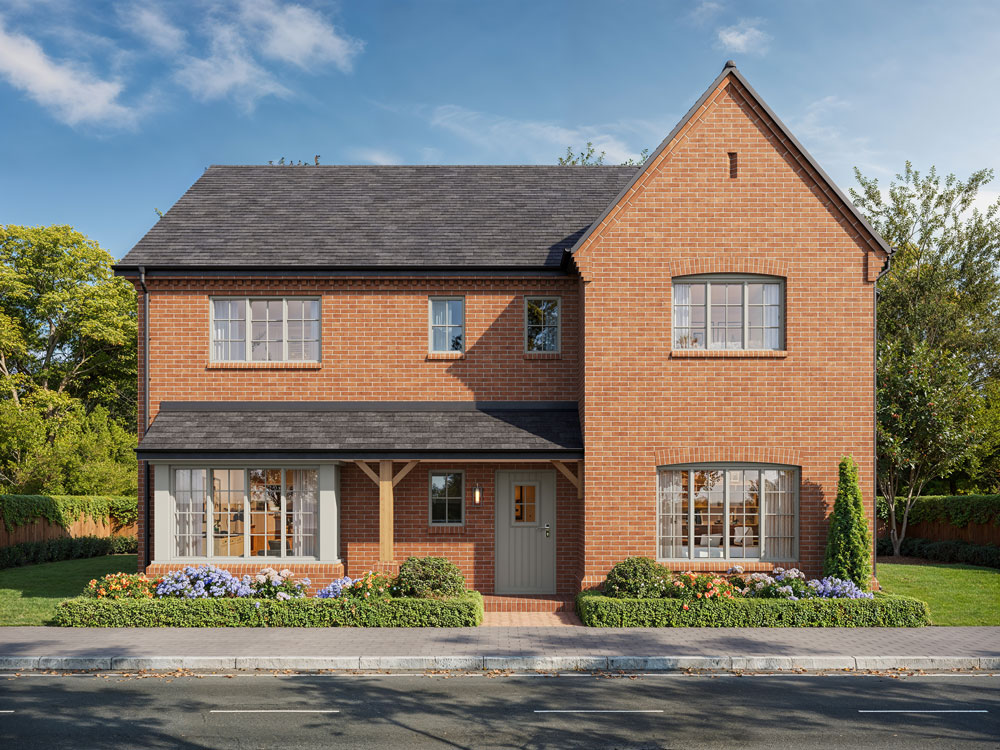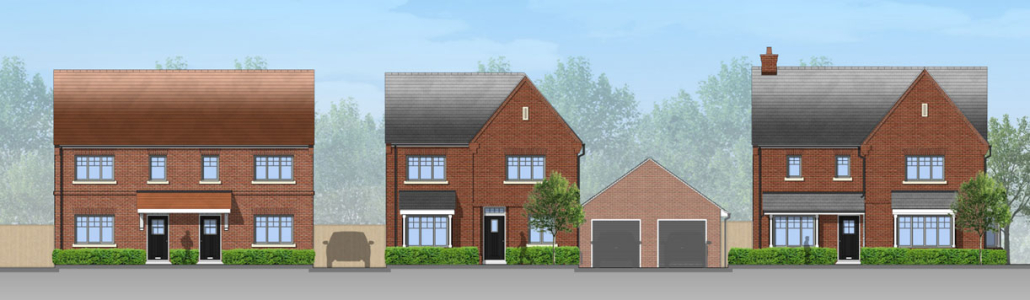
Our Proposals
The applicant has worked with a team of technical and environmental consultants to develop a development proposal, that has regard to the following considerations:
Ecology
E3P have been appointed to undertake a full Ecological Appraisal of the site to inform the layout. An intial walkover survery has been conducted which identified the following:
Habitat
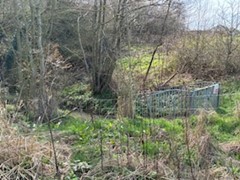
Artificial unvegetated; unsealed surface, modified grassland, mixed scrub, woodland, trees, native hedgerows, and watercourses
As much of this varied habitat will be retained within the final proposals as possible.
Species
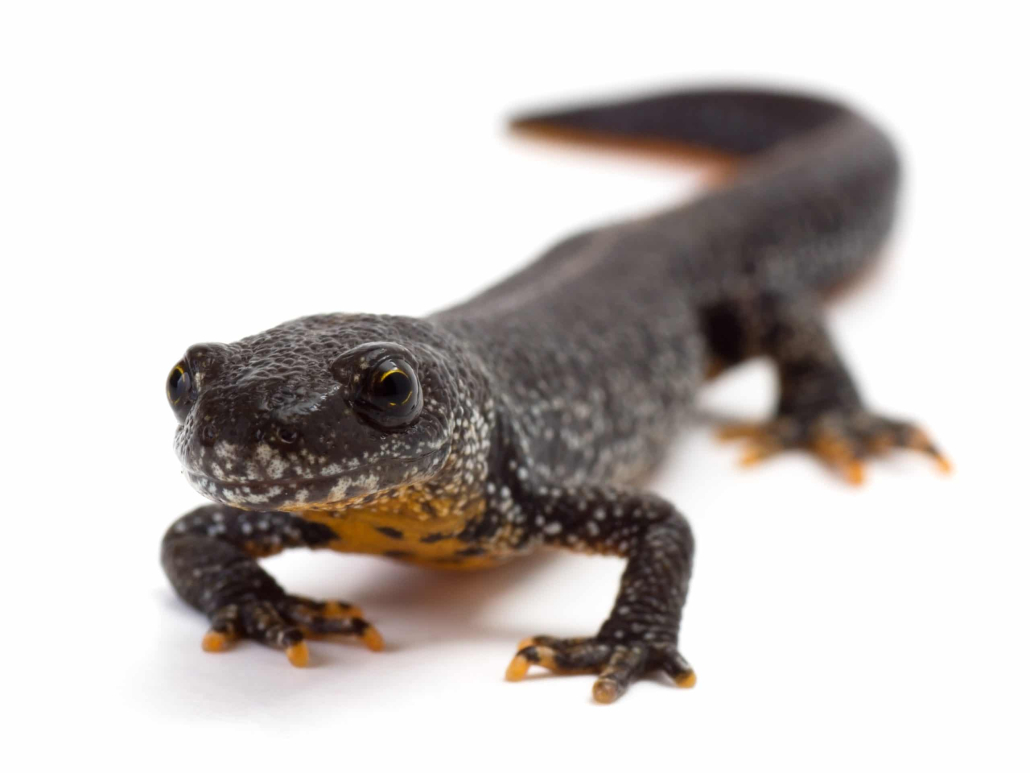
Amphibians – The habitat could be suitable for Great Crested New and common amphibians and further survey work will be undertaken.
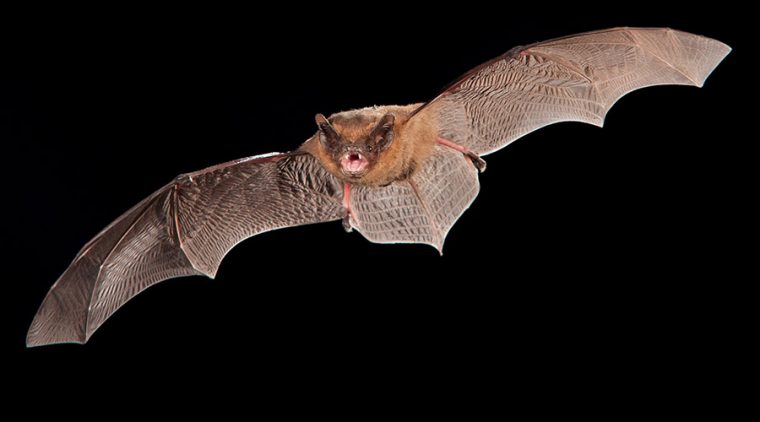
Bats – the site offers foranging and commuting potential due to hedgerows, watercourses, scrub and trees -as such bat surveys will be undertaken and a lighting mitigaiton will be provided as part of the proposals.
Badger – no badger setts have been identified alhtough foraging and sett building opportunties are present on site and so precautionary working methods for badger are recommended
Other mammals – foraging, shelter and hibernation opportunities for hedgehogs within the on-site grassland, scrub, woodland are recommended . The grassland comprise good quality habitat for brown hare, which may be present on site.
Otter and water vole – Water courses are shallow and culverted downstream – Otter and water vole discounted from further assessment.
Birds– Common bird nesting opportunities within the scrub, woodland, hedgerows, and trees exist and there is the potential for ground-nesting birds within the arable field.
Reptiles –the site is not anticipated to support large numbers of reptiles as the site predominantly comprised arable land but the watercourse, longer sward grassland, scrub, and hedgerows may provide some shelter for reptiles.
Invertebrates – Common invertebrates are likely to be present within the watercourses, grassland, scrub, and hedgerows.
The proposals will include the mandatory 10% gains in Biodiversity either on site or off-site.
Trees
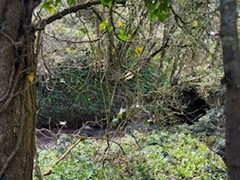
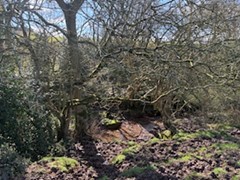
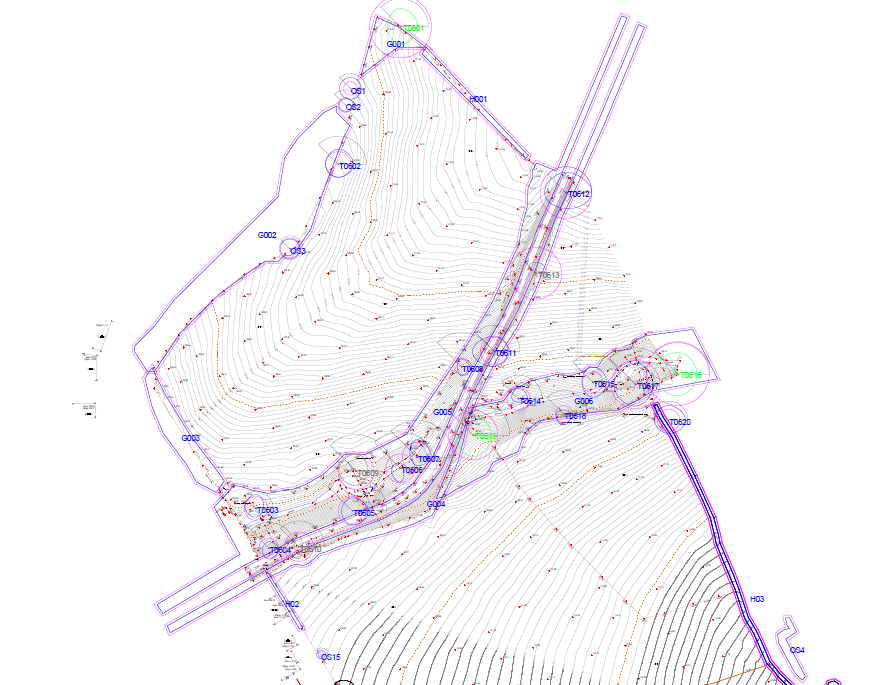
A full survey of all trees and hedgerows on the site has been undertaken. The scheme will retain as many trees as possible and provide mitigation for those lost. As is evident from the plan below most trees are located aorund the edges of the site and within/around the watercourse running through the middle of the site.
Drainage
A drainage strategy is being developed by RAcE. It will include Sustainable urban Drainage Systems (SuDs).
The current flood risk maps for planning however confirm that most of the site is within Flood Zone 1(with the lowest risk of flooding but that parts of the northern portion of the site is located within Flood Zones 2 and 3 around the brook.
In terms of surface water the current flood maps indicate that site does not feature surface water and is not forecast to increase by such an amount to cause issues now within the 1,000 year event. See extract from the annual likelihood of flooding 1: 1000 map below.
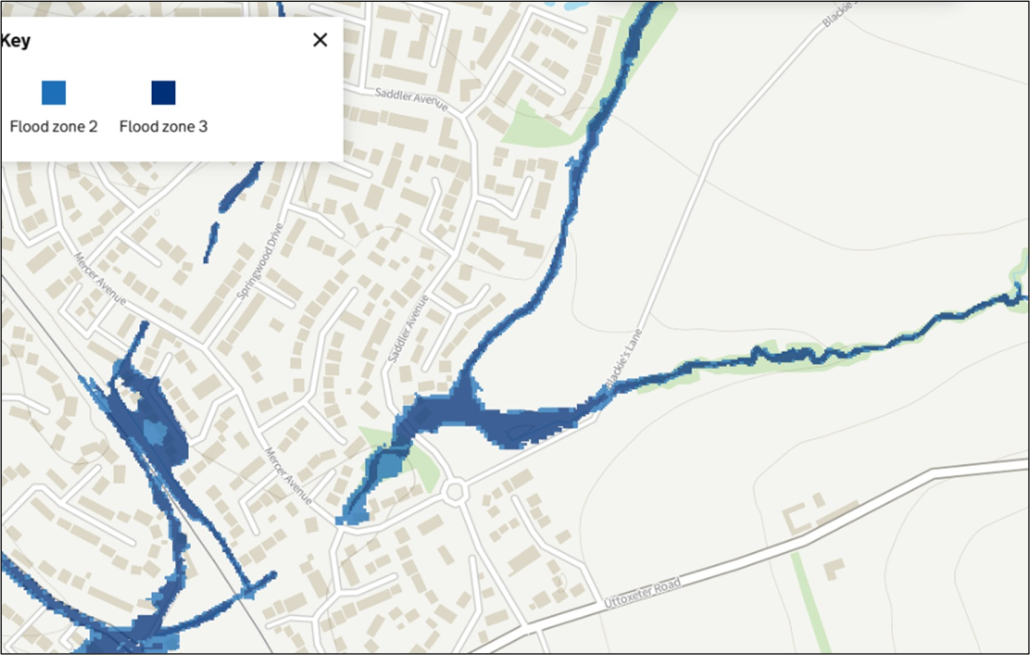
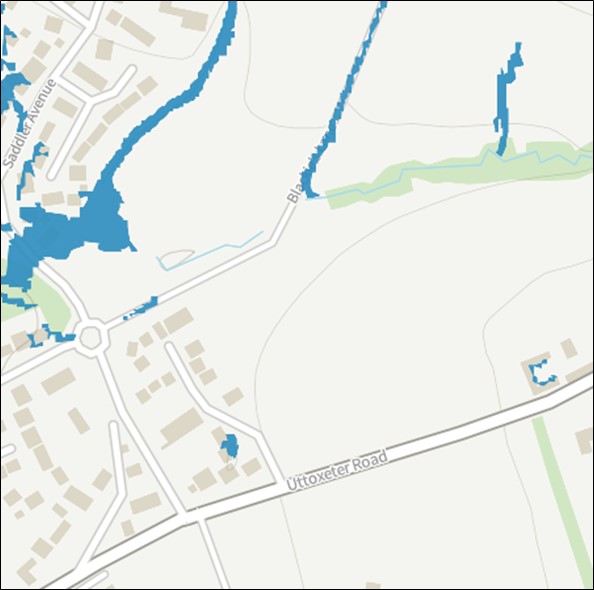
The proposals will be designed to ensure that there are no flood risks to future occupiers and that flooding is not made worse off site as a result of the proposals
The watercourse running through the middle of the site will be retained and its banks repaired. There wil be appropriate stand off from the banks edges to account for heavy rainfall.
Heritage
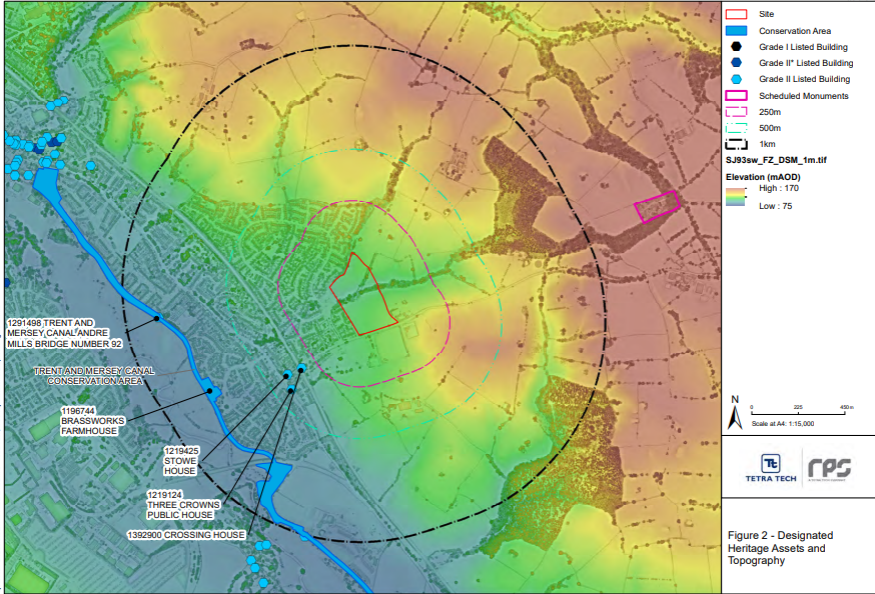
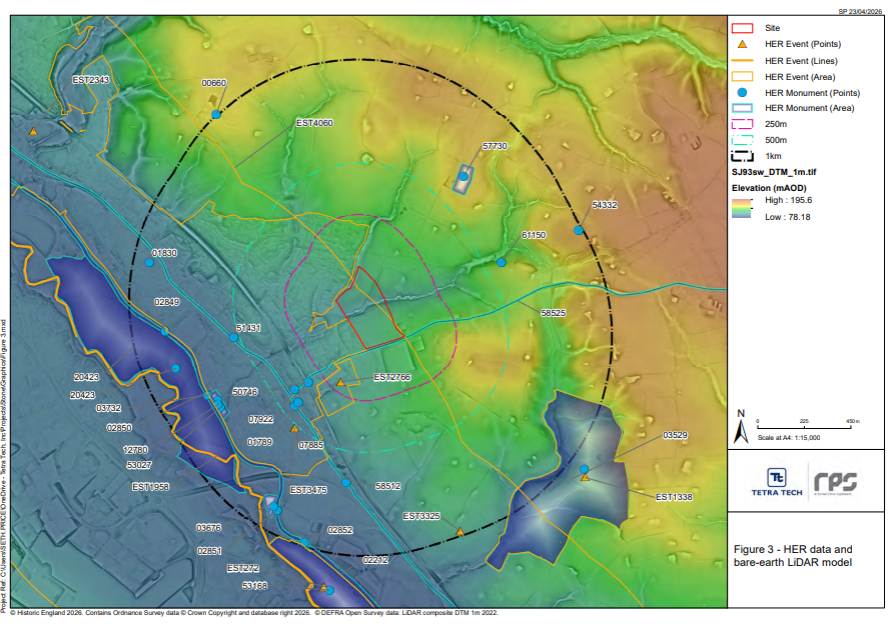
A full heritage assessment has been undertaken to understand any historical constraints. As is event from the plans below there are no heritage assets above or beneath the ground on site which will impede development.
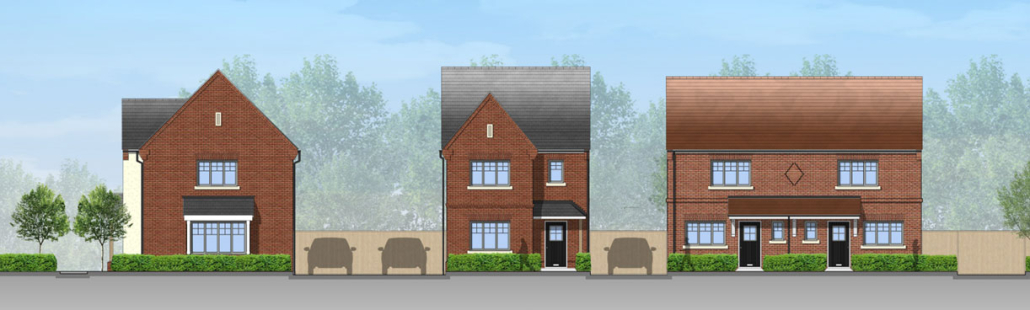
Crest Nicholson House Types